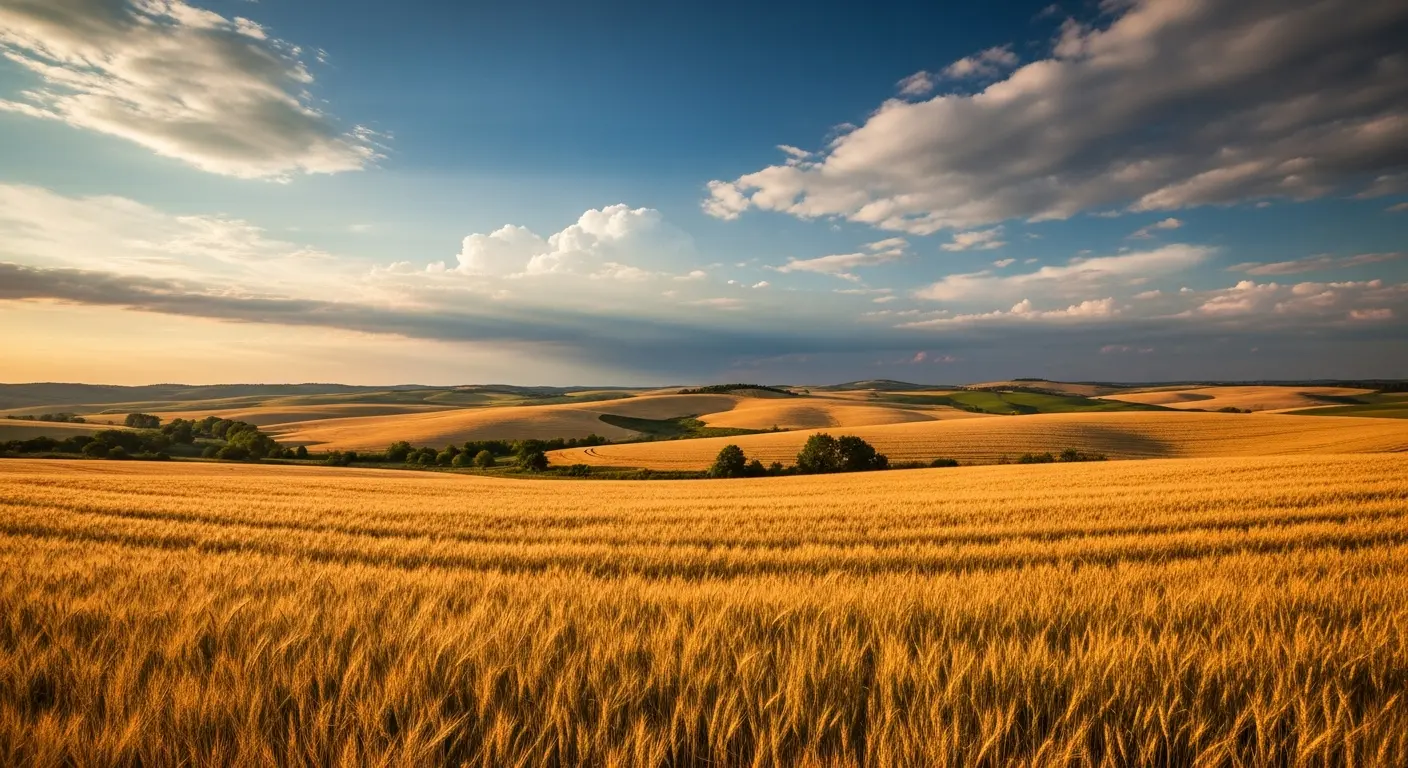
Local landscape photography builds skills faster than destination trips, costs nothing, and produces unique images that stand out in an oversaturated market of iconic location shots.
Landscape photographer Mads Peter Iversen makes a compelling case for shooting close to home. While destination photography has its place, local landscapes offer advantages that travel can’t match.
Contents
1. Zero Logistics, Maximum Shooting Time
No flights. No hotel bookings. No rental cars. When your location is 20 minutes away, you spend your energy on photography instead of travel planning. Bad light? Go home and return tomorrow. That flexibility is impossible on a week-long trip to Iceland.
2. Skill Development Through Repetition
Visiting the same location across seasons, weather conditions, and times of day teaches composition and light in ways a single trip cannot. You learn how fog settles in valleys, when autumn colors peak, and which angles work at sunset versus blue hour.
This repetition is particularly valuable for photographers still developing their eye. If you’re building skills for earning as a nature photographer, local practice accelerates that timeline.
3. Appreciation for the Overlooked
Constraint breeds creativity. When you can’t rely on a dramatic Icelandic waterfall to carry your image, you’re forced to find interest in subtle details—the way morning light catches a fence post, patterns in a plowed field, the geometry of suburban architecture.
4. Deeper Location Knowledge
Tourist photographers get one chance at a location. Local photographers can scout, fail, learn, and return. That depth of knowledge produces images that visitors simply cannot achieve in a quick visit.
This principle applies beyond landscapes. Understanding your environment—whether for photographing fireflies or capturing local wildlife—requires repeated visits and patience.
5. Less Competition, More Originality
Every photographer has shot Yosemite’s Tunnel View. Far fewer have documented the woods behind your house. While famous locations attract attention, they also invite direct comparison against thousands of similar shots. Local work stands on its own merits.
🎯 The Takeaway
Don’t wait for the “perfect” destination trip to practice landscape photography. Your backyard, local park, or nearby countryside offers unlimited opportunities to develop skills, build a unique portfolio, and discover beauty in the familiar.
The best camera is the one you have with you. The best location is the one you can visit repeatedly.
For more on building a photography career, explore our guide on photography courses that can accelerate your development.
Last updated: February 2026 | Author: Photography Discover Editorial. This article summarizes insights from landscape photographer Mads Peter Iversen and general photography best practices.