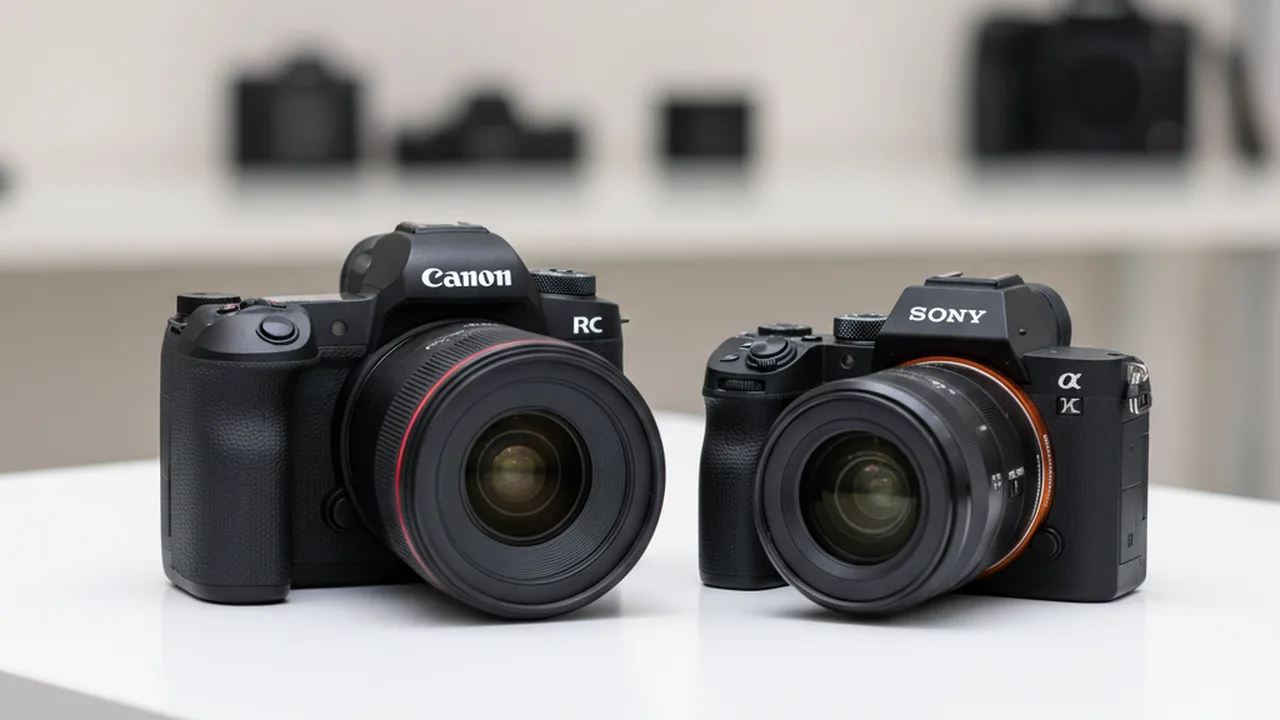
You’re standing in a camera store, budget in hand, and two cameras catch your eye — one costs $900, the other $2,500. The sales associate mentions “crop sensor” and “full frame” like you should know what that means. Here’s the short answer: a full frame sensor is the same size as traditional 35mm film (36×24mm), while a crop sensor (APS-C) is roughly 1.5× smaller. That size difference affects everything from image quality to how much your lens bag weighs — but it doesn’t automatically make one better than the other.
Auf einen Blick: You’re standing in a camera store, budget in hand, and two cameras catch your eye — one costs $900, the other $2,500. The sales associate mentions “crop sensor” and “full…
• Full frame sensor: 36×24mm — same as 35mm film
• APS-C crop sensor: ~23.5×15.6mm (1.5× crop factor, Canon: 1.6×)
• Micro Four Thirds: 17.3×13mm (2× crop factor)
• Price gap: Entry full frame starts ~$1,000; quality crop bodies start ~$500
• Best for beginners: Crop sensor (lower cost, lighter, excellent image quality in 2026)
Contents
- 1 What Exactly Is a Crop Sensor vs Full Frame?
- 2 Side-by-Side Comparison: Full Frame vs Crop Sensor
- 3 Low Light and ISO Performance
- 4 Depth of Field and Bokeh
- 5 The Crop Factor Advantage: Reach
- 6 Size, Weight, and Travel
- 7 Cost: The Full System Matters
- 8 Which Sensor Is Best for Your Photography?
- 9 5 Myths About Crop Sensors That Need to Die
- 10 Recommended Cameras for 2026
- 11 Decision Flowchart: Which Should You Buy?
- 12 Frequently Asked Questions
- 13 The Bottom Line
What Exactly Is a Crop Sensor vs Full Frame?
Every digital camera has an imaging sensor — the silicon chip that captures light and converts it into a photograph. The “full frame” label comes from 35mm film, which was the standard for decades. When digital cameras arrived, manufacturers built sensors that matched that 36×24mm film size and called them full frame.
Building a sensor that large is expensive. So manufacturers also created smaller, cheaper sensors. The most common alternative is APS-C (Advanced Photo System, Classic type), measuring roughly 23.5×15.6mm on most brands. Because this sensor captures a smaller portion of the lens’s image circle, we call it a “crop” sensor — it crops into the center of what a full frame sensor would see.
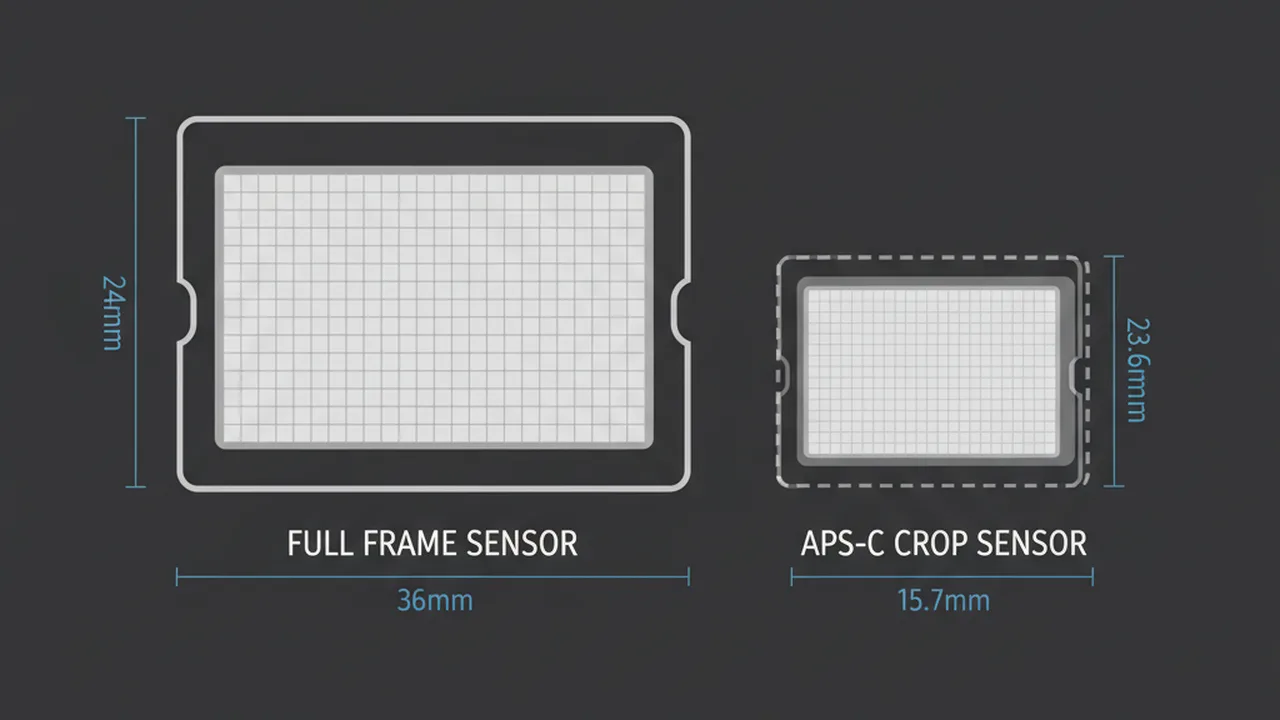
The ratio between the two sizes is called the crop factor. For most APS-C sensors, that’s 1.5× (Nikon, Sony, Fujifilm) or 1.6× (Canon). This number matters because it affects your effective focal length — a 50mm lens on a 1.5× crop body behaves like a 75mm lens in terms of field of view.
Side-by-Side Comparison: Full Frame vs Crop Sensor
The differences go well beyond sensor dimensions. Here’s how these two formats stack up across the specs that actually matter when you’re shooting.
| Feature | Full Frame | Crop Sensor (APS-C) |
|---|---|---|
| Sensor Size | 36×24mm | ~23.5×15.6mm |
| Low Light / High ISO | Excellent — larger pixels collect more light | Good — 2026 models handle ISO 6400 well |
| Depth of Field | Shallower at same framing — creamier bokeh | Deeper — easier to keep more in focus |
| Dynamic Range | Wider — better highlight/shadow recovery | Narrower but improving fast |
| Effective Reach | What you see is what you get | 1.5× magnification — free telephoto boost |
| Body Weight | 600–800g typical | 400–550g typical |
| Body Price Range | $1,000–$6,500+ | $450–$1,800 |
| Lens Cost | Higher — larger glass elements needed | Lower — smaller, lighter lenses |
Low Light and ISO Performance
This is where full frame cameras have traditionally dominated — and still hold an edge in 2026. The physics are straightforward: a larger sensor has larger individual photosites (pixels). Larger photosites collect more photons per exposure, which means a cleaner signal and less electronic noise at high ISO settings.
A modern full frame camera like the Sony A7 IV or Nikon Z6 III delivers clean, usable images at ISO 12,800 and beyond. Crop sensor cameras like the Fujifilm X-T5 or Sony A6700 perform admirably up to ISO 6,400, with acceptable results at 12,800 for web and social media use.
That said, the gap has narrowed dramatically. A 2026 crop sensor camera outperforms full frame cameras from just five years ago. If you’re primarily shooting in daylight or with a flash, you won’t notice a meaningful difference between formats. The low-light advantage becomes significant for event photographers, wedding shooters, and astrophotographers who routinely push past ISO 3,200.
Depth of Field and Bokeh
Full frame cameras produce a shallower depth of field at the same framing and aperture. Shooting a portrait at f/2.8 on a full frame body gives you noticeably more background blur than the same framing on a crop sensor at f/2.8.
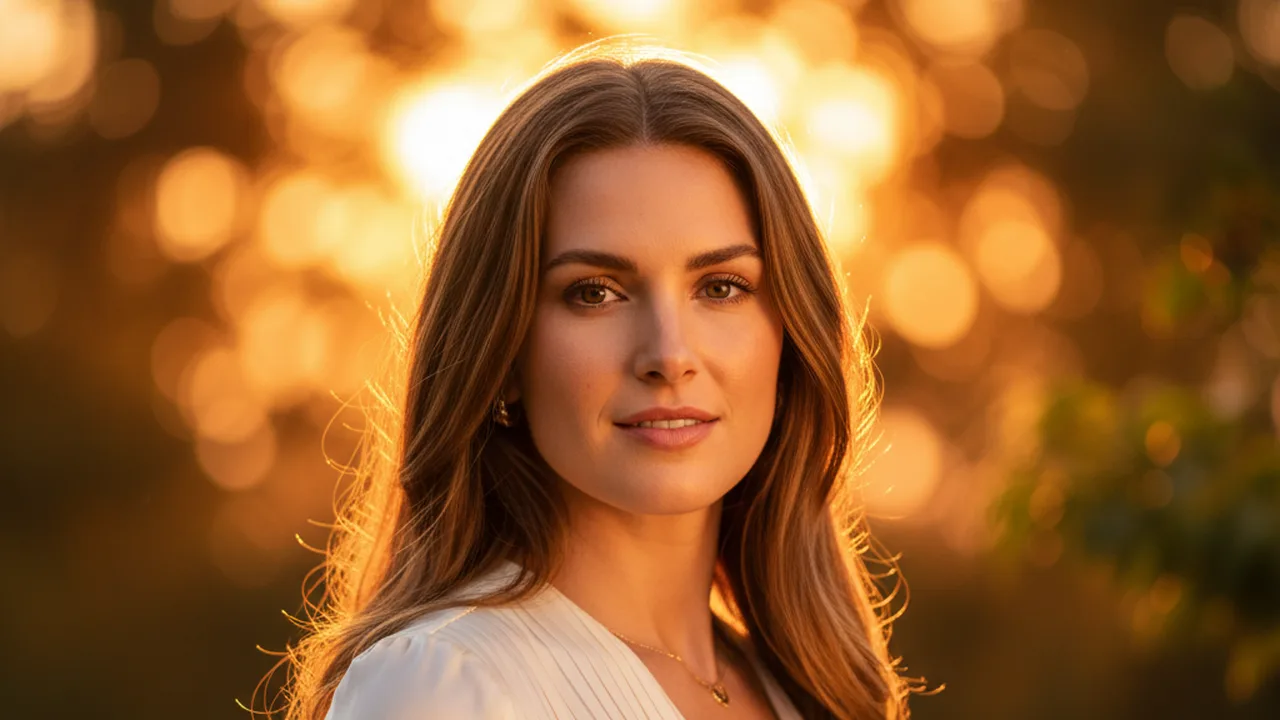
Why? To get the same framing on a crop sensor, you either use a wider lens or step further back — both of which increase depth of field. To match the look of an 85mm f/1.8 on full frame, you’d need roughly a 56mm f/1.2 on APS-C. Those fast crop lenses exist (Fujifilm’s 56mm f/1.2 is outstanding), but the physics tilt in full frame’s favor for maximum background separation.
However, this cuts both ways. Landscape and macro photographers often want more depth of field, not less. A crop sensor gives you inherently deeper focus, which can mean fewer shots ruined by missed focus and less need to stop down to f/11 or f/16 where diffraction softens the image.
The Crop Factor Advantage: Reach
Here’s where crop sensors fight back — hard. That 1.5× crop factor gives you a free telephoto multiplier. A 200mm lens on a crop body frames like a 300mm on full frame. A 400mm behaves like a 600mm. For wildlife, birding, and sports photography, that extra reach is genuinely valuable.
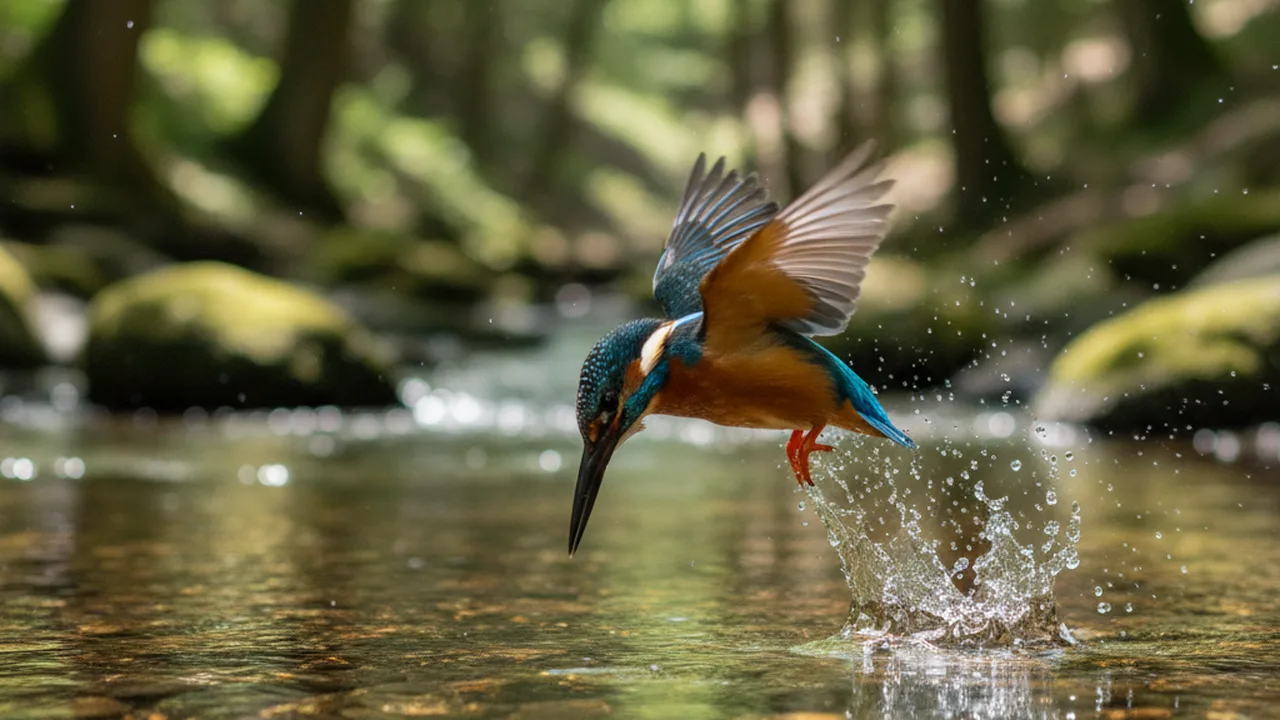
Consider the math: a 100-400mm telephoto zoom on a crop body gives you an effective 150-600mm range. To get that same reach on full frame, you’d need a 600mm lens — typically costing $6,000–$13,000 and weighing 3+ kg. The crop sensor setup costs a fraction of that and fits in a regular camera bag.
This is why many professional wildlife and sports photographers still carry crop sensor bodies alongside their full frame kit. The Canon R7, Nikon Z50 II, and Fujifilm X-H2S are all favorites among working pros who need reach without remortgaging their house.
Size, Weight, and Travel
Crop sensor systems are meaningfully smaller and lighter — not just the bodies, but the lenses too. An APS-C 18-55mm kit lens weighs around 200g. A comparable full frame 24-70mm f/4 weighs 500-600g. Multiply that across 3-4 lenses in a travel kit, and you’re carrying 1-2 kg less with crop.
For travel photography, street photography, and hiking, that weight difference is the difference between bringing your camera and leaving it at the hotel. The best camera is the one you actually carry.
Fujifilm has built an entire ecosystem around this advantage. Their X-series cameras and lenses are compact, beautifully designed, and produce images that rival full frame in all but the most demanding scenarios. The Fujifilm X-T5 with a 23mm f/2 weighs about 600g total — half the weight of a comparable full frame setup.
Cost: The Full System Matters
People focus on body prices, but the total system cost is what actually hits your wallet. Full frame lenses are universally more expensive because they require larger glass elements to cover the bigger sensor.
| Setup Type | Crop Sensor Kit | Full Frame Kit |
|---|---|---|
| Starter (body + kit lens) | $700–$1,200 | $1,500–$2,800 |
| Enthusiast (body + 2-3 lenses) | $1,800–$3,500 | $3,500–$7,000 |
| Pro (body + 4-5 pro lenses) | $4,000–$7,000 | $8,000–$15,000+ |
A full frame system easily costs 2–3× more than a comparable crop setup when you factor in lenses, and the cost gap widens as you move toward professional glass. This is money that could go toward lighting, a tripod, editing software, or — critically — more time spent actually shooting.
Which Sensor Is Best for Your Photography?
The right choice depends entirely on what and how you shoot. Here’s a genre-by-genre breakdown.
Portraits and Weddings → Full Frame
The shallower depth of field, better high-ISO performance (reception halls, churches), and wider dynamic range make full frame the default choice for portrait and wedding professionals. The Sony A7 IV, Canon R6 III, and Nikon Z6 III are all excellent in this space.
Wildlife and Sports → Crop Sensor (Often)
The free 1.5× reach multiplier is a massive advantage. Pair a crop body with a 100-400mm zoom and you have an affordable 150-600mm equivalent system. The Canon R7 with its 32.5MP sensor and fast AF is a wildlife favorite. The Fujifilm X-H2S dominates for sports with its stacked sensor and 40fps burst.
Landscape → Either Works
Full frame offers wider fields of view and better dynamic range for sunrise/sunset scenes. But crop sensor cameras at base ISO (100-200) produce stunning landscape images that are virtually indistinguishable from full frame in print. The Fujifilm X-T5‘s 40MP APS-C sensor resolves more detail than many full frame cameras.
Street and Travel → Crop Sensor
Smaller, lighter, less conspicuous. You’ll shoot more because you’ll actually bring the camera. Fujifilm’s X100VI (a fixed-lens crop sensor camera) has become one of the most sought-after cameras in 2026 precisely because it disappears into your daily carry.
Astrophotography → Full Frame
Low-light performance is paramount when you’re capturing starlight. Full frame sensors collect significantly more light in the long exposures that Milky Way photography demands. Modified full frame bodies are the standard in this niche.
Video and Filmmaking → Depends on Budget
Full frame gives you the cinematic shallow depth of field look. But crop sensor cameras like the Sony A6700 and Fujifilm X-H2S shoot excellent 4K video with professional codecs. For most YouTube and social content, crop sensor is more than sufficient.
5 Myths About Crop Sensors That Need to Die
“Crop sensors are for beginners.” False. Professional wildlife photographers routinely use crop bodies. Fujifilm’s entire X-series system is APS-C, and it’s used by working pros worldwide. The sensor format doesn’t determine your skill level.
“Full frame always means better image quality.” Misleading. At base ISO in good light, a modern 40MP crop sensor (Fujifilm X-T5, X-H2) produces images with more resolving power than a 24MP full frame camera. Quality depends on the entire system — lens, sensor, processing — not just sensor size.
“You need full frame for professional work.” Wrong. National Geographic photographers have shot covers on Micro Four Thirds cameras. Award-winning images have been made on smartphones. Full frame is a tool, not a prerequisite for professional status.
“Crop sensors can’t handle low light.” Outdated. A 2026 APS-C camera at ISO 6,400 looks better than a 2018 full frame camera at the same setting. The technology has improved enormously. Yes, full frame still has the edge, but crop sensors are no longer “bad” in low light.
“You’ll outgrow a crop sensor.” Maybe not. Many photographers who “upgrade” to full frame eventually miss the lighter weight and extra reach. Some switch back. Choose based on your actual needs, not aspirational upgrades you might never need.
Recommended Cameras for 2026
| Camera | Sensor | Best For | Price |
|---|---|---|---|
| Fujifilm X-T5 | APS-C (40MP) | All-rounder, travel, landscape | ~$1,400 |
| Sony A6700 | APS-C (26MP) | Video hybrid, beginners | ~$1,400 |
| Canon R7 | APS-C (32.5MP) | Wildlife, sports, action | ~$1,100 |
| Sony A7 IV | Full Frame (33MP) | Portraits, events, all-rounder | ~$2,000 |
| Nikon Z6 III | Full Frame (24.5MP) | Low light, video, weddings | ~$2,500 |
| Canon R6 III | Full Frame (24.2MP) | Weddings, portraits, video | ~$2,500 |
Decision Flowchart: Which Should You Buy?
Still not sure? Walk through these questions:
1. What’s your total budget (body + 2-3 lenses)?
Under $2,000 → Go crop sensor. You’ll get a better body and better lenses for the money.
$2,000–$4,000 → Either works. Crop sensor gives you more lens options; full frame gives you the sensor advantage.
Over $4,000 → Full frame makes sense if you need it.
2. What do you primarily shoot?
Wildlife/sports/birding → Crop sensor (reach advantage).
Portraits/weddings/events → Full frame (low light + bokeh).
Landscape/travel/street → Either. Prioritize the system you’ll actually carry.
3. Does weight matter?
If you hike, travel frequently, or shoot all day at events, lighter crop systems reduce fatigue and increase your keeper rate.
4. Do you shoot in low light without flash?
Regularly → Full frame gives you a genuine advantage at ISO 6,400+.
Occasionally → Modern crop sensors handle it fine.
Frequently Asked Questions
The Bottom Line
The crop sensor vs full frame debate matters less in 2026 than it ever has. Modern crop sensor cameras produce stunning images that satisfy professional standards. Full frame cameras offer genuine advantages in low light, depth of field control, and dynamic range — but at 2–3× the total system cost and significantly more weight.
Buy crop sensor if: You want the best value, need telephoto reach, prioritize portability, or are building your first serious kit.
Buy full frame if: You shoot professionally in low light, need maximum depth of field control for portraits, or have the budget for both body and quality glass.
The best approach? Rent both formats for a weekend before committing. Most camera rental services charge $50–$100 for a three-day rental. That small investment could save you thousands in buyer’s remorse — and you’ll know exactly which format suits your photography, not someone else’s YouTube recommendation.
Browse our tested picks for the best cameras and lenses across every budget and genre.
Explore More Photography Guides
Find the perfect gear and techniques for your next shoot.