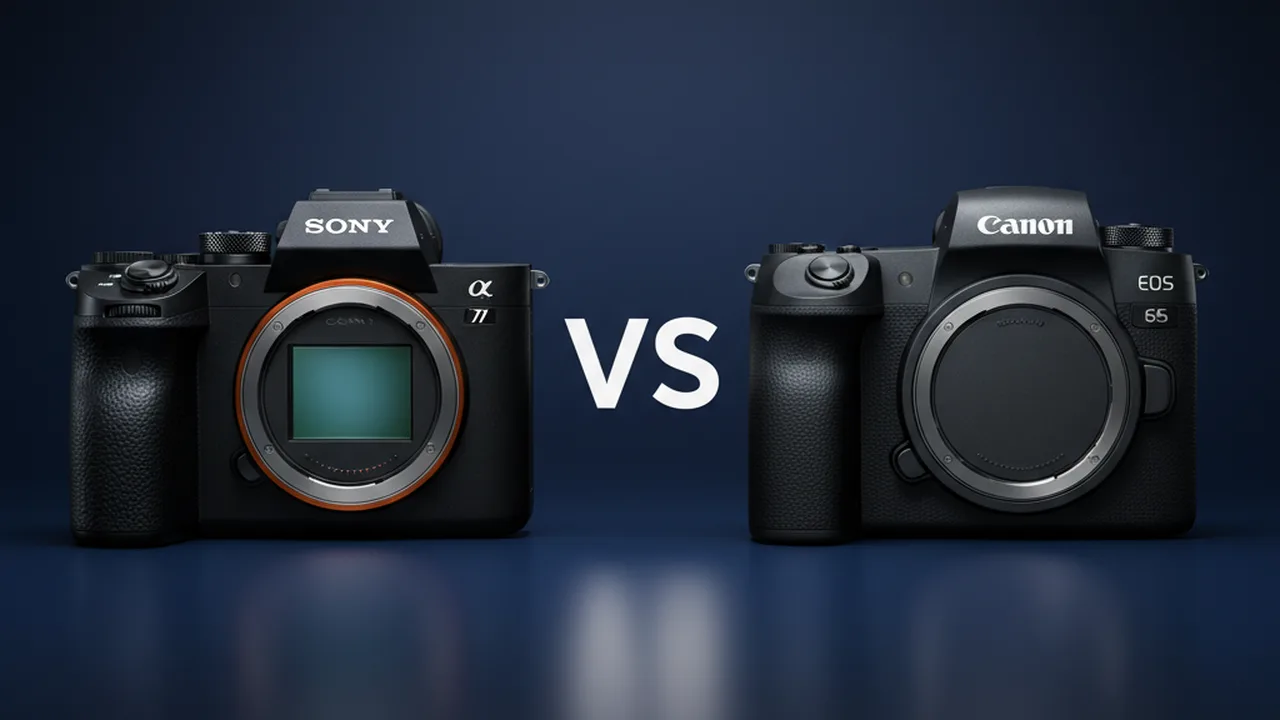
You’ve narrowed your full-frame mirrorless shortlist to two cameras — and now you’re stuck. The Sony A7 IV and Canon EOS R6 Mark II sit at almost identical price points, target the same hybrid shooter, and both deliver genuinely impressive results. But they solve photography differently, and choosing the wrong one could mean frustration every time you pick up the camera.
Auf einen Blick: You’ve narrowed your full-frame mirrorless shortlist to two cameras — and now you’re stuck. The Sony A7 IV and Canon EOS R6 Mark II sit at almost identical price points, target the same…
After comparing every meaningful spec, real-world performance metric, and ecosystem consideration, here’s the bottom line: the Sony A7 IV wins on resolution and detail, while the Canon R6 II wins on speed and autofocus. Everything else depends on what you actually shoot.
⚡ Key Facts at a Glance
- Sony A7 IV: 33MP sensor, 10 fps, 759 AF points, 4K60 (cropped), IBIS, $2,498 body
- Canon R6 II: 24.2MP sensor, 40 fps (e-shutter), 1,053 AF points, 4K60 (full width), IBIS, $2,499 body
- Best for detail & resolution: Sony A7 IV
- Best for speed & action: Canon R6 II
Contents
- 1 Sensor and Image Quality
- 2 Autofocus Performance
- 3 Burst Shooting and Speed
- 4 Video Capabilities
- 5 Low-Light Performance
- 6 Body Design and Ergonomics
- 7 Lens Ecosystem
- 8 Connectivity and Workflow
- 9 Who Should Buy the Sony A7 IV?
- 10 Who Should Buy the Canon R6 II?
- 11 Frequently Asked Questions
- 12 Final Verdict
Sensor and Image Quality
The most fundamental difference between these cameras lives in their sensors. The Sony A7 IV packs a 33-megapixel back-illuminated Exmor R CMOS sensor — a significant jump over its 24.2MP predecessor. That extra resolution translates to more cropping flexibility in post, finer detail in landscapes, and larger print sizes without interpolation.
The Canon R6 II uses a 24.2-megapixel CMOS sensor paired with Canon’s DIGIC X processor. While the pixel count is lower, Canon’s color science has a well-earned reputation. Skin tones come out of the R6 II looking natural and warm, often requiring less editing than the Sony’s slightly cooler default rendering.
Dynamic range is extremely close between the two. Independent lab tests consistently show both cameras delivering around 14-14.5 stops of usable dynamic range at base ISO. In practice, you won’t see a meaningful difference when recovering shadows or highlights in Lightroom.
Where you will notice a difference: high ISO performance. The Canon R6 II’s larger individual pixels (due to lower megapixel count on the same full-frame sensor area) give it a slight edge at ISO 6400 and above. It’s not dramatic — maybe half a stop — but it’s visible in side-by-side comparisons of noise at ISO 12800+.
| Specification | Sony A7 IV | Canon R6 II |
|---|---|---|
| Sensor Resolution | 33 MP | 24.2 MP |
| Sensor Type | BSI CMOS (Exmor R) | CMOS (DIGIC X) |
| ISO Range | 100–51,200 (exp. 50–204,800) | 100–102,400 (exp. 50–204,800) |
| Dynamic Range | ~14.7 stops | ~14.1 stops |
| Color Depth | 25.2 bits | 24.1 bits |
Autofocus Performance
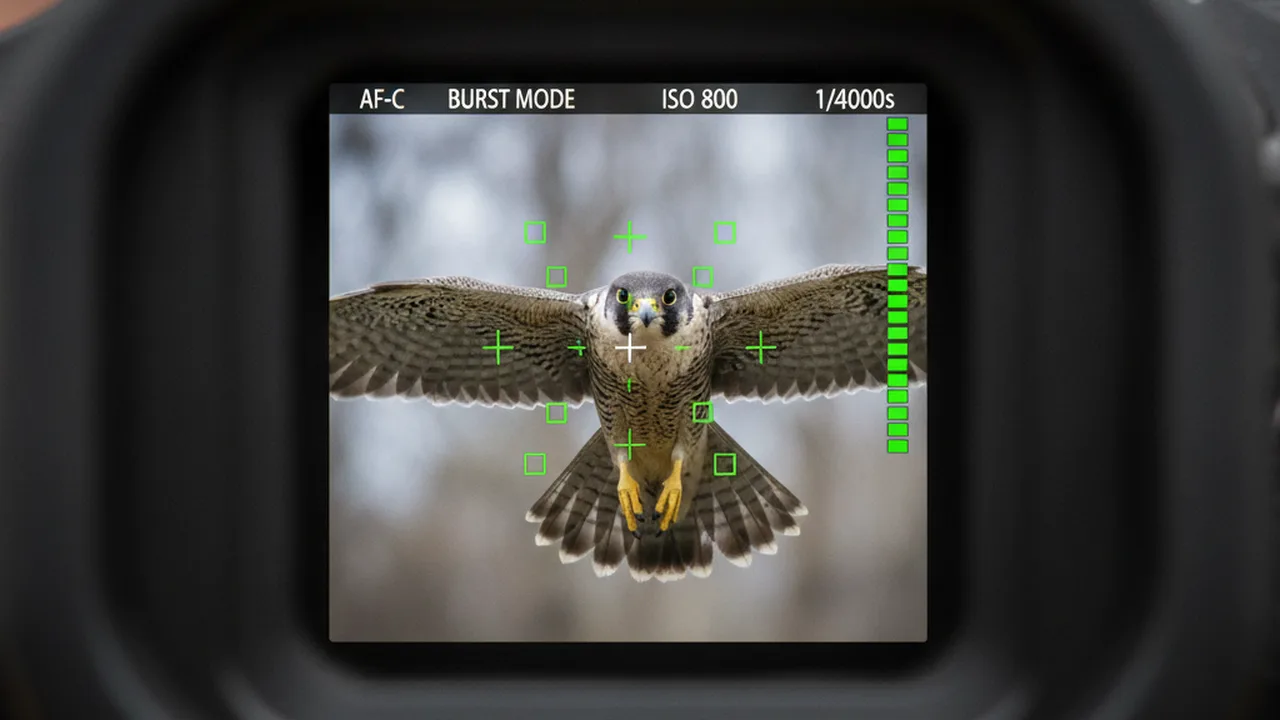
This is where the Canon R6 II pulls ahead convincingly. Canon’s Dual Pixel CMOS AF II system with 1,053 autofocus points covers virtually 100% of the frame. Its subject detection is extraordinary — the R6 II can identify and track people, animals (dogs, cats, birds, horses), and vehicles (cars, motorcycles, trains, aircraft) with startling accuracy.
The Sony A7 IV’s autofocus is no slouch. It features 759 phase-detection points covering about 94% of the frame, with real-time eye AF for humans and animals. Sony’s tracking has improved dramatically over previous generations. But in direct comparisons, especially with erratic subjects like birds in flight, the Canon’s AF system locks on faster and holds focus more reliably.
In practical terms: If you shoot sports, wildlife, or fast-moving kids, the Canon R6 II’s autofocus gives you a higher keeper rate. For portraits, street photography, and anything that isn’t rapidly changing direction, both systems perform excellently.
One area where Sony has an edge: low-light autofocus sensitivity. The A7 IV’s AF system works down to -4 EV, matching the R6 II’s -6.5 EV spec on paper but performing comparably in real dimly-lit environments when factoring in the higher resolution sensor’s additional detail.
Burst Shooting and Speed
The Canon R6 II dominates this category. With the electronic shutter, it fires at 40 frames per second — four times faster than the Sony A7 IV’s 10 fps maximum. Even with the mechanical shutter, the R6 II manages 12 fps compared to the Sony’s 10 fps.
That 40 fps electronic shutter comes with caveats. You’ll get a slight rolling shutter effect with fast-moving subjects, and the compression from continuous shooting fills your buffer quickly. But for sports, wildlife action, and decisive moments, having 40 fps available is a genuine advantage that the Sony simply can’t match.
Buffer depth also favors Canon. The R6 II can sustain approximately 190+ RAW frames in a burst before slowing down with a fast CFexpress card. The Sony A7 IV manages around 828 JPEGs but only about 1,000 compressed RAW frames before the buffer fills — impressive, but the larger 33MP files eat more buffer space per frame.
Video Capabilities
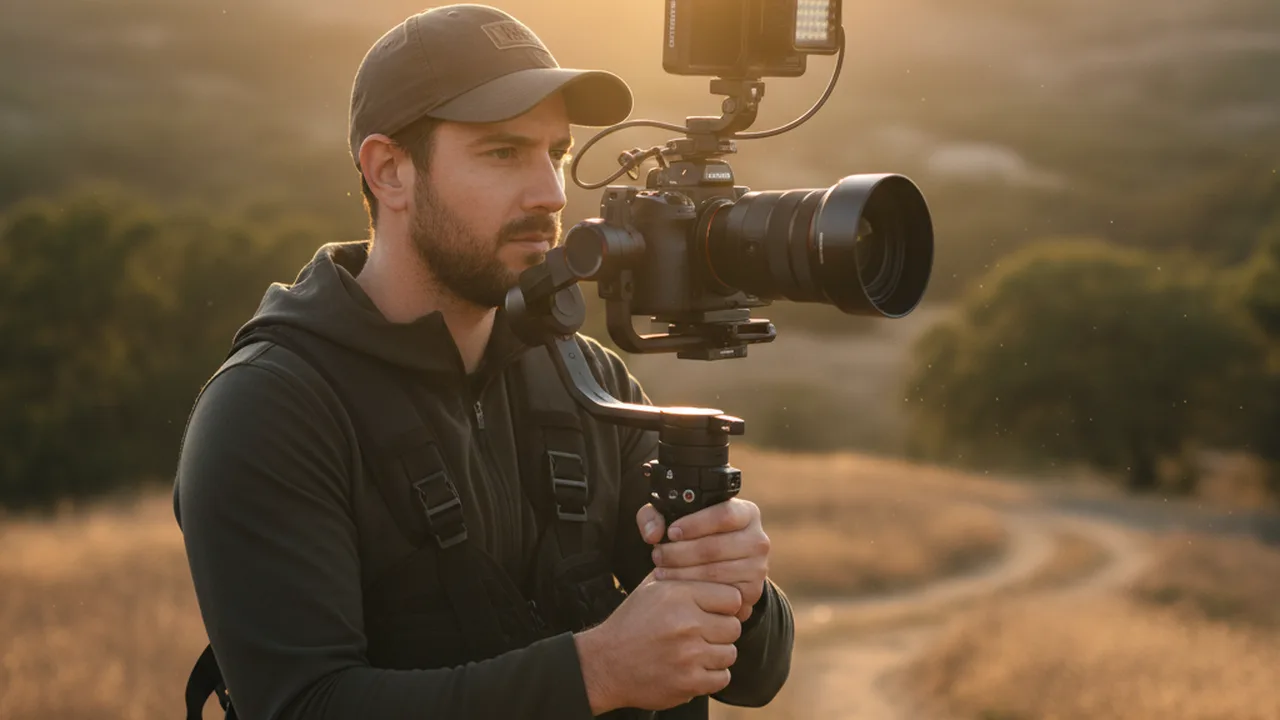
Both cameras target the hybrid photo/video shooter, but they approach video differently.
The Sony A7 IV shoots 4K at 60fps with a 1.5x crop, which significantly narrows your field of view. For full-width 4K, you’re limited to 30fps. It records 10-bit 4:2:2 internally in multiple codecs including XAVC S-I, and offers S-Log3 and S-Cinetone picture profiles. The 7K oversampling at 4K30 produces exceptionally detailed footage.
The Canon R6 II records 4K at 60fps using the full sensor width — a significant practical advantage. No crop means your wide-angle lenses stay wide. It also offers Canon Log 3 and Cinema EOS-style color profiles. However, it records at a maximum of 10-bit 4:2:2 in HEVC (H.265) or H.264.
| Video Feature | Sony A7 IV | Canon R6 II |
|---|---|---|
| 4K 60fps | Yes (1.5x crop) | Yes (full width) |
| 4K 30fps | Full width (7K oversampled) | Full width (6K oversampled) |
| Internal Recording | 10-bit 4:2:2 | 10-bit 4:2:2 |
| Log Profiles | S-Log3, S-Cinetone, HLG | Canon Log 3, HDR PQ, C-Log |
| Rolling Shutter | Moderate | Moderate |
| Record Limit | ~60 min (heat dependent) | ~60 min (improved cooling) |
For serious video work, the Canon R6 II’s uncropped 4K60 is the bigger advantage. The Sony A7 IV counters with superior 4K30 detail thanks to its 7K oversampling. If you primarily shoot 4K30, the Sony produces marginally sharper footage. If you need 4K60 regularly, the Canon is the clear winner.
Low-Light Performance
Both cameras feature 5-axis in-body image stabilization (IBIS), but the Canon R6 II claims up to 8 stops of compensation compared to the Sony A7 IV’s 5.5 stops. In real-world handheld testing, the Canon’s IBIS consistently allows shooting at slower shutter speeds — handheld exposures of 1/2 second or even longer become reliable with the R6 II.
At extremely high ISO values (25,600+), the Canon R6 II shows slightly less luminance noise due to its larger pixel pitch. The difference is subtle at ISO 6400 — where both cameras produce very usable results — but becomes more noticeable at ISO 12800 and above.
The Sony A7 IV compensates with its higher resolution: even with slightly more noise per pixel, you can apply noise reduction and still retain more detail than the Canon at the same output size. Modern AI-based denoise tools like DxO PureRAW or Topaz DeNoise make this gap even less relevant.
Body Design and Ergonomics
Both cameras are built around magnesium alloy frames with weather sealing, but they feel distinctly different in hand.
The Sony A7 IV (659g body only) features a deeper grip than previous Alpha bodies, a fully articulating 3-inch touchscreen, and Sony’s redesigned menu system — finally intuitive after years of criticism. It has a 3.69M-dot OLED electronic viewfinder with 0.78x magnification. The control layout includes a dedicated video record button and a rear control wheel.
The Canon R6 II (670g body only) has Canon’s signature ergonomics — arguably the most comfortable grip in the mirrorless world. Its 3-inch vari-angle touchscreen and 3.69M-dot OLED EVF match the Sony’s specs. Canon’s menu system remains more intuitive for photographers coming from DSLRs, with a clean tab-based layout.
Card slots differ meaningfully. The Sony A7 IV offers one CFexpress Type A / SD hybrid slot plus one standard SD slot. The Canon R6 II has dual SD UHS-II slots. CFexpress Type A cards are expensive, but they’re faster — giving the Sony an edge for burst shooting if you invest in the right media.
Lens Ecosystem
This might be the most important long-term consideration, because you’re not just buying a body — you’re buying into a system.
Sony E-mount is the most mature full-frame mirrorless system. There are over 70 native full-frame lenses from Sony alone, plus extensive third-party support from Sigma, Tamron, Samyang, and others. Whether you need a $150 manual focus prime or a $6,000 GM telephoto, the E-mount has it.
Canon RF mount has grown rapidly since its 2018 launch. Canon’s own RF lenses are optically exceptional — the RF 28-70mm f/2 and RF 85mm f/1.2 are among the best lenses ever made. The catch: Canon has been restrictive with third-party licensing. Sigma and Tamron RF-mount options exist but are still limited compared to E-mount. This is changing, but slowly.
💡 Pro Tip: If budget matters for your lens kit, Sony’s E-mount third-party ecosystem can save you hundreds per lens. A Tamron 28-75mm f/2.8 for E-mount costs roughly $880, while Canon’s RF 28-70mm f/2.8 runs around $1,099. Over a 3-4 lens kit, that difference adds up fast.
Connectivity and Workflow
The Sony A7 IV includes USB-C (3.2 Gen 2), Wi-Fi 5, Bluetooth 4.2, and a full-size HDMI Type A port — a welcome upgrade from the micro-HDMI on its predecessor. It supports USB streaming for use as a webcam and can charge via USB-C while shooting.
The Canon R6 II offers USB-C (3.2 Gen 2), Wi-Fi (2.4/5GHz), Bluetooth 5.0, and a micro-HDMI port. It also works as a USB webcam. Canon’s image transfer app has improved significantly, though Sony’s Imaging Edge Mobile still offers more granular remote control.
Both cameras support tethered shooting for studio work, with Capture One and Lightroom supporting both systems natively.
Who Should Buy the Sony A7 IV?
The Sony A7 IV is the better choice if you:
- Prioritize resolution — 33MP gives you more cropping freedom and larger prints
- Shoot landscapes or architecture — more detail extraction from high-resolution files
- Want the widest lens selection — E-mount’s third-party ecosystem is unmatched
- Need affordable lenses — Sigma, Tamron, and Samyang options keep costs down
- Shoot 4K30 video primarily — the 7K oversampled output is stunning
Who Should Buy the Canon R6 II?
The Canon R6 II is the better choice if you:
- Shoot action, sports, or wildlife — 40 fps and superior AF tracking are game-changers
- Need uncropped 4K60 — full-width 4K at 60fps without any crop
- Prioritize low-light shooting — slightly better high-ISO noise and 8-stop IBIS
- Value ergonomics — Canon’s grip and menu system feel more intuitive to most shooters
- Already own Canon glass — EF lenses adapt perfectly via Canon’s EF-RF adapter
Frequently Asked Questions
Final Verdict
The Sony A7 IV and Canon R6 II are both outstanding cameras that any photographer would be happy to own. The decision comes down to your specific priorities:
Choose the Sony A7 IV if resolution, lens variety, and 4K30 video quality matter most. It’s the better all-rounder for photographers who occasionally shoot video.
Choose the Canon R6 II if speed, autofocus tracking, and 4K60 video matter most. It’s the better choice for action shooters and hybrid photo/video creators who need burst speed and uncropped high-frame-rate footage.
Neither camera is the wrong choice. Both will deliver professional results for years to come. The best camera is the one that matches how you actually shoot — not the one that wins on a spec sheet.
📸 Explore More Camera Comparisons
Find the perfect camera for your photography style in our in-depth gear guides.
Explore More Photography Guides
Find the perfect gear and techniques for your next shoot.