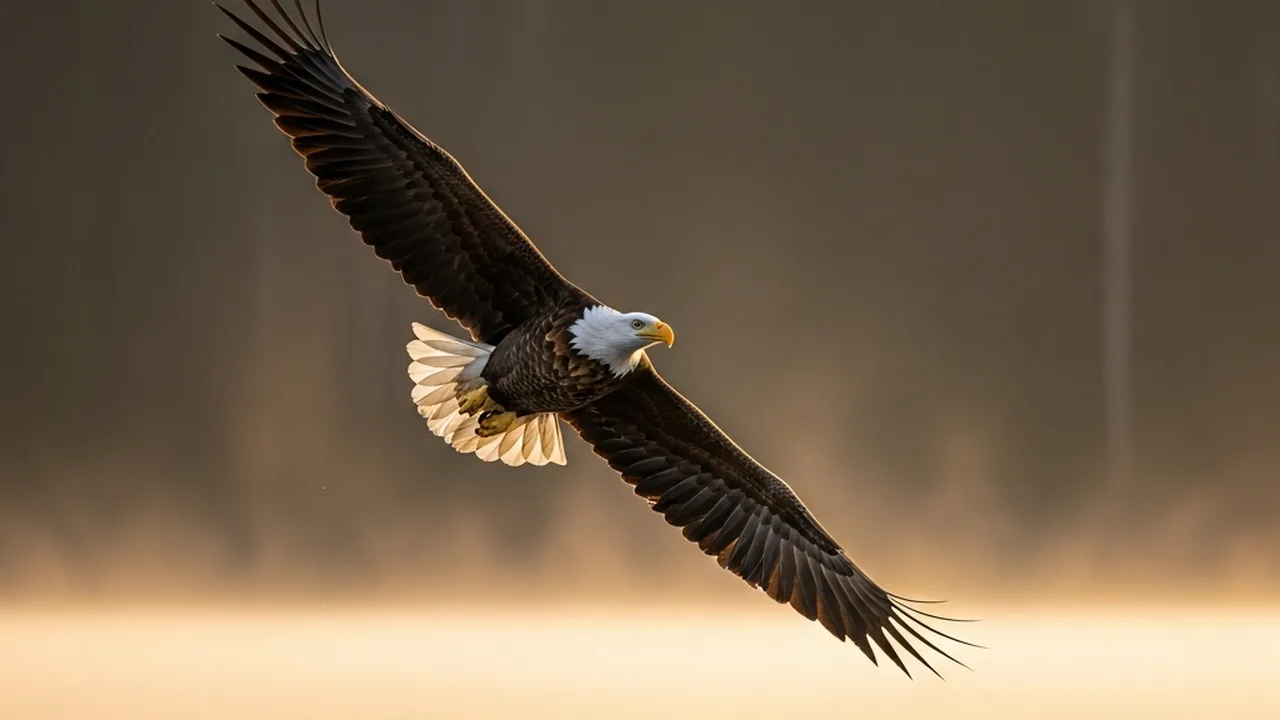
🦅 Quick Guide: Best Wildlife Cameras in 2026
- Best Overall: Sony A1 — 50MP, 30fps, real-time bird AF tracking
- Best Value: Canon EOS R7 — APS-C speed demon under $1,500
- Best for Birding: Nikon Z8 — 20fps blackout-free EVF, 3D tracking
- Budget Pick: Canon EOS R10 — Excellent AF for under $1,000
Your backyard feeder just attracted a painted bunting, and by the time you raise your phone, it’s gone. That 0.8-second shutter lag on a smartphone might as well be an eternity in wildlife photography. The right camera body closes that gap to nearly zero — firing 20 to 30 frames per second with autofocus that locks onto a bird’s eye and refuses to let go, even through branches and tall grass.
After testing dozens of camera bodies in wetlands, forests, and African savannas over the past decade, I’ve narrowed the field to seven cameras that genuinely deliver for wildlife shooters in 2026 — from a $879 APS-C body that punches way above its price to a $6,500 flagship that professional National Geographic contributors actually carry.
Contents
- 1 What Makes a Great Wildlife Camera?
- 2 The 7 Best Cameras for Wildlife Photography in 2026
- 2.1 1. Sony A1 — Best Overall Wildlife Camera
- 2.2 2. Nikon Z8 — Best for Serious Bird Photography
- 2.3 3. Canon EOS R5 Mark II — Best Hybrid Wildlife + Video
- 2.4 4. Canon EOS R7 — Best Value for Wildlife
- 2.5 5. Sony A7R V — Best for Resolution + Cropping
- 2.6 6. OM System OM-1 Mark II — Best Lightweight Wildlife Setup
- 2.7 7. Canon EOS R10 — Best Budget Wildlife Camera
- 3 Essential Lenses for Wildlife Photography
- 4 Camera Settings for Wildlife Photography
- 5 5 Mistakes That Ruin Wildlife Photos
- 6 Full-Frame vs APS-C vs Micro Four Thirds for Wildlife
- 7 FAQ: Wildlife Camera Questions Answered
- 8 Final Verdict: Which Camera Should You Buy?
What Makes a Great Wildlife Camera?
Before spending a dime, you need to understand the four specs that separate a wildlife-capable camera from everything else.
Autofocus with animal/bird detection is non-negotiable. Modern AI-driven AF systems recognize specific animal species — birds, mammals, insects — and track their eyes across the frame at 120 calculations per second. Without this, you’re manually hunting for focus on a moving subject through a 600mm lens. Good luck.
Burst rate (fps) determines how many frames you capture during a two-second wing flap or a cheetah’s sprint. Anything below 10fps is too slow for birds in flight. The sweet spot is 20-30fps with full AF tracking on every frame.
Buffer depth matters more than raw fps. A camera shooting 30fps that chokes after 50 frames forces you to wait mid-action while the buffer clears. Look for cameras that sustain their top burst rate for at least 100+ compressed RAW frames.
Weather sealing isn’t optional. You’ll be in rain, dust, humidity, and sub-zero temperatures. Magnesium alloy bodies with gasket-sealed buttons and card slots survive conditions that destroy consumer-grade bodies within weeks.

The 7 Best Cameras for Wildlife Photography in 2026
1. Sony A1 — Best Overall Wildlife Camera
The Sony A1 remains the most complete wildlife camera you can buy. Its 50.1MP full-frame sensor delivers massive resolution for cropping distant subjects, while the 30fps electronic shutter with full AF/AE tracking captures sequences that slower cameras simply miss.
What sets the A1 apart is Sony’s real-time tracking AF with dedicated bird eye detection. It identifies and locks onto a bird’s eye — even small songbirds partially obscured by foliage — and maintains focus as the subject moves unpredictably. The 759-point phase-detection system covers 92% of the frame, so subjects near the edges get the same AF precision as those dead center.
The 30fps burst rate comes with a critical caveat: it uses the electronic shutter, which can produce rolling shutter distortion on extremely fast-moving wings. For most bird-in-flight scenarios, this distortion is minimal, but hummingbird photographers occasionally notice warped wing tips. Dropping to the mechanical shutter gives you 10fps — still capable, but a significant reduction.
Battery life is rated at 530 shots (LCD) but real-world burst shooting drains cells faster. Budget for three NP-FZ100 batteries per full day in the field.
Body only: ~$6,500 | Sensor: 50.1MP Full-Frame | Burst: 30fps (e-shutter) / 10fps (mechanical) | AF Points: 759 | Weight: 737g
2. Nikon Z8 — Best for Serious Bird Photography
The Nikon Z8 packs the same 45.7MP stacked sensor as the flagship Z9 into a smaller, lighter body — and at roughly $2,000 less. For dedicated bird photographers who need speed and resolution without the bulk, it’s the strongest value in the professional tier.
Nikon’s 3D tracking autofocus has been refined over three decades, and the Z8’s implementation is arguably the best bird-tracking AF in any mirrorless camera. It recognizes birds, cats, dogs, and general animals, maintaining focus through chaotic backgrounds like reed beds and forest canopies where other systems lose lock.
The 20fps RAW burst rate with full AF is sustained for an impressive 1000+ compressed RAW frames — essentially unlimited for any real-world shooting scenario. The blackout-free EVF means you never lose sight of your subject during a burst, which is a genuine advantage when tracking erratic flight paths.
One practical downside: Nikon’s Z-mount telephoto lineup is still growing. The 800mm f/6.3 VR S is exceptional but expensive. Budget shooters often pair the Z8 with the FTZ II adapter and legacy F-mount glass, which works well but adds weight and bulk.
Body only: ~$3,700 | Sensor: 45.7MP Full-Frame (Stacked) | Burst: 20fps | AF Points: 493 | Weight: 910g
3. Canon EOS R5 Mark II — Best Hybrid Wildlife + Video
Canon’s R5 Mark II addresses every complaint about the original R5. The new stacked sensor eliminates the overheating issues that plagued the first generation, and 8K 60fps RAW internal recording makes this the strongest choice if you shoot both stills and video of wildlife.
The 45MP sensor at 30fps (electronic) or 12fps (mechanical) puts it in direct competition with the Sony A1, though Canon’s Dual Pixel CMOS AF II with EOS iTR AF X uses a different approach to subject recognition. It excels at tracking large mammals and birds in flight but occasionally struggles with small, fast-moving subjects against busy backgrounds compared to Sony’s system.
Where Canon pulls ahead is the lens ecosystem. The RF 200-800mm f/6.3-9 IS USM gives wildlife shooters unprecedented reach for under $2,000, and the RF 100-500mm f/4.5-7.1 L IS USM remains the best walk-around wildlife zoom on any system.
Body only: ~$4,300 | Sensor: 45MP Full-Frame (Stacked) | Burst: 30fps (e-shutter) / 12fps (mechanical) | AF Points: 1,053 | Weight: 738g
4. Canon EOS R7 — Best Value for Wildlife
The R7 is the camera I recommend most often to wildlife photographers upgrading from entry-level gear. Its APS-C sensor provides a built-in 1.6x crop factor, turning a 100-500mm lens into an effective 160-800mm — reach that would cost $12,000+ on a full-frame system.
At 15fps mechanical or 30fps electronic shutter, the R7 fires fast enough for any bird-in-flight scenario. Canon’s Dual Pixel CMOS AF II tracks animals and birds with the same algorithms as the $4,300 R5 Mark II. Yes, a $1,400 camera body uses functionally identical AF to Canon’s flagship. That’s remarkable.
The tradeoff is noise performance. At ISO 3200 and above, the smaller APS-C sensor shows noticeably more grain than full-frame competitors. Dawn and dusk shooting — prime wildlife hours — pushes this sensor harder than golden-hour light. Budget for fast lenses (f/2.8 or f/4) rather than variable-aperture zooms if you frequently shoot in low light.
Body only: ~$1,400 | Sensor: 32.5MP APS-C | Burst: 30fps (e-shutter) / 15fps (mechanical) | AF Points: 651 | Weight: 612g
| Camera | Sensor | Burst (fps) | AF Points | Weight | Price |
|---|---|---|---|---|---|
| Sony A1 | 50.1MP FF | 30 / 10 | 759 | 737g | ~$6,500 |
| Nikon Z8 | 45.7MP FF | 20 | 493 | 910g | ~$3,700 |
| Canon R5 II | 45MP FF | 30 / 12 | 1,053 | 738g | ~$4,300 |
| Canon R7 | 32.5MP APS-C | 30 / 15 | 651 | 612g | ~$1,400 |
| Sony A7R V | 61MP FF | 10 | 693 | 723g | ~$3,900 |
| OM-1 Mark II | 20.4MP MFT | 50 / 10 | 1,053 | 599g | ~$2,300 |
| Canon R10 | 24.2MP APS-C | 23 / 15 | 651 | 429g | ~$879 |
5. Sony A7R V — Best for Resolution + Cropping
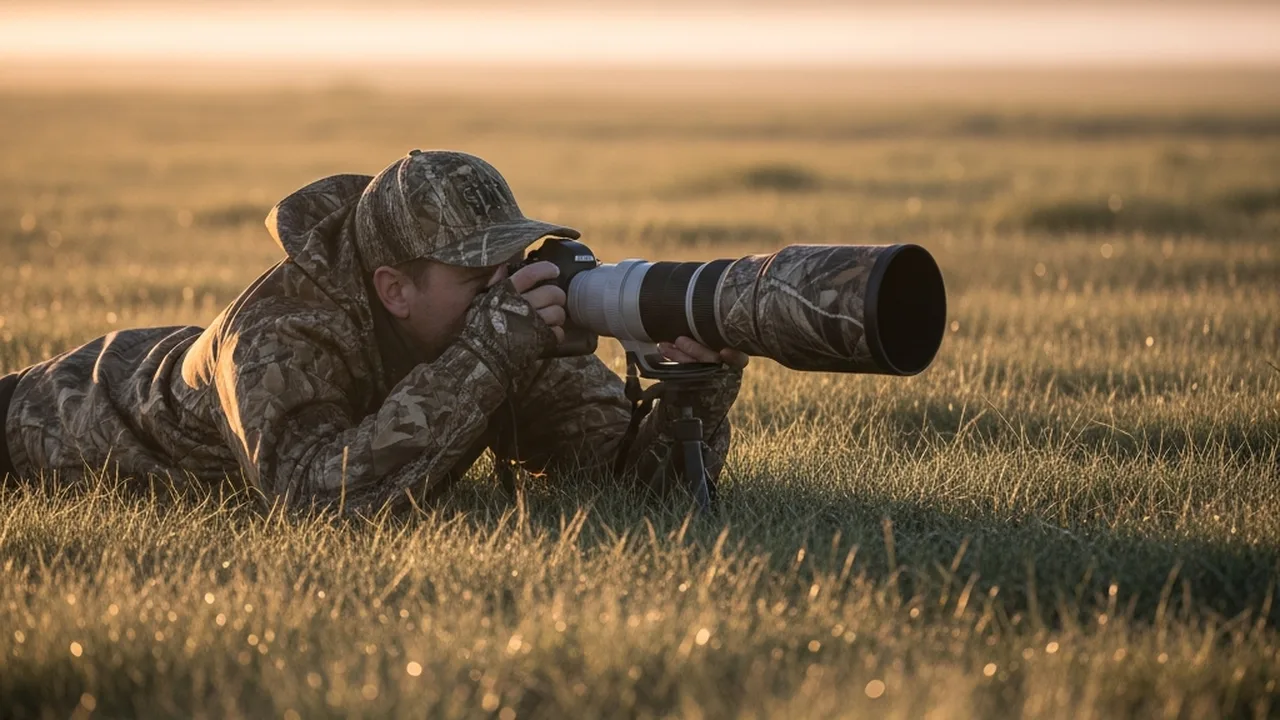
Wildlife photography often involves extreme cropping. You frame a bird at 600mm, but it still occupies only 15% of the frame. The Sony A7R V’s 61MP sensor gives you enormous cropping headroom — you can crop to 25% of the frame and still have a 15MP image suitable for large prints.
The A7R V introduced Sony’s dedicated AI processing unit for autofocus, and the bird/animal eye detection is noticeably improved over the A7R IV. It’s not as fast as the A1 at 10fps, but for perched birds, stalking mammals, and patient hide photography, the resolution advantage is decisive.
The higher pixel density also means camera shake is more visible. You’ll need faster shutter speeds or excellent stabilization. The 5-axis IBIS rated at 8 stops helps, but a sturdy tripod or gimbal head remains essential with long telephoto lenses.
Body only: ~$3,900 | Sensor: 61MP Full-Frame | Burst: 10fps | AF Points: 693 | Weight: 723g
6. OM System OM-1 Mark II — Best Lightweight Wildlife Setup
The Micro Four Thirds sensor provides a 2x crop factor, which transforms a 150-400mm lens into an equivalent 300-800mm — in a package roughly half the weight of comparable full-frame setups. For hiking into remote locations, international travel with strict baggage limits, or long days walking reserves, this weight advantage is transformative.
The OM-1 II shoots at a blistering 50fps with its electronic shutter (120fps in SH mode, though without continuous AF). The 1,053 cross-type phase-detection AF points and bird detection system track subjects effectively despite the smaller sensor.
The catch is noise. Micro Four Thirds sensors have roughly one-quarter the surface area of full-frame. Above ISO 1600, noise becomes visible, and by ISO 3200, image quality degrades noticeably. This camera thrives in good light but struggles during the golden hours that produce the most dramatic wildlife images.
The OM System 150-400mm f/4.5 TC 1.25x IS PRO is the dream lens for this body — 300-800mm equivalent with a built-in 1.25x teleconverter extending to 1000mm equivalent. It’s $7,500, which somewhat undermines the “budget” advantage of Micro Four Thirds.
Body only: ~$2,300 | Sensor: 20.4MP Micro Four Thirds | Burst: 50fps (e-shutter) / 10fps (mechanical) | AF Points: 1,053 | Weight: 599g
7. Canon EOS R10 — Best Budget Wildlife Camera
At under $900, the R10 proves that wildlife photography doesn’t require a second mortgage. This APS-C body inherits Canon’s Dual Pixel CMOS AF II with animal and bird eye detection — the same fundamental system found in cameras costing 5x more.
The 23fps electronic shutter and 15fps mechanical shutter keep pace with fast action. The 651 AF points cover the full frame width. For the money, no other camera body delivers this combination of AF capability and burst speed.
Where the R10 compromises: the viewfinder is smaller and lower-resolution (2.36M dots vs 5.76M in higher-end models), the body lacks weather sealing, and the single SD card slot offers no backup redundancy. The APS-C sensor’s ISO performance drops off above 1600, and the plastic body construction feels less robust than magnesium alloy alternatives.
Despite these limitations, pair this with a Canon RF 100-400mm f/5.6-8 IS USM ($650) and you have a complete wildlife system for under $1,600 that produces genuinely publishable results.
Body only: ~$879 | Sensor: 24.2MP APS-C | Burst: 23fps (e-shutter) / 15fps (mechanical) | AF Points: 651 | Weight: 429g
Essential Lenses for Wildlife Photography
The camera body matters, but the lens determines your reach and image quality more than any other factor. Here are the key focal lengths for wildlife work:
100-400mm / 100-500mm zoom — The workhorse range. Covers most safari, wetland, and woodland scenarios. The Canon RF 100-500mm f/4.5-7.1 L IS USM (~$2,700) and Sony FE 200-600mm f/5.6-6.3 G OSS (~$2,000) are the two most popular choices.
600mm f/4 prime — The professional standard for bird photography. Razor-sharp at maximum aperture, fast AF, exceptional low-light capability. Expect $12,000-$16,000.
150-600mm third-party zoom — Sigma and Tamron offer budget alternatives in this range for $1,000-$1,500. Image quality is good, not great, but the reach-per-dollar ratio is unmatched.
Teleconverters (1.4x / 2x) — Extend your focal length at the cost of 1-2 stops of light and some AF speed reduction. A 100-500mm with a 1.4x becomes 140-700mm. Essential accessories for maximizing reach.
Camera Settings for Wildlife Photography
These settings work as starting points for most wildlife scenarios. Adjust based on your specific conditions.
Birds in Flight
- Mode: Manual or Shutter Priority
- Shutter speed: 1/2000s minimum (1/3200s for fast species like swallows)
- Aperture: Wide open (f/4 – f/6.3 depending on lens)
- ISO: Auto, capped at 6400 (full-frame) or 3200 (APS-C/MFT)
- AF mode: Continuous (AF-C / Servo) with animal/bird eye detection ON
- Drive mode: High-speed continuous
- Metering: Multi/Matrix — evaluative metering handles variable backgrounds best
Stalking / Hide Photography
- Mode: Aperture Priority
- Aperture: f/4 – f/5.6 for maximum background blur
- Shutter speed: Minimum 1/500s (set as Auto ISO lower limit)
- ISO: Auto, as low as possible
- AF mode: Continuous with animal eye detection — even stationary animals can move suddenly
- Drive mode: Low-speed continuous (reduces noise from shutter)
5 Mistakes That Ruin Wildlife Photos
⚠️ Common Pitfalls to Avoid
- Shooting at too-low shutter speeds. A tack-sharp 600mm shot requires at least 1/1000s handheld — the old “1/focal length” rule is the absolute minimum, not the target.
- Ignoring the background. A beautiful bird against a cluttered background looks amateur. Move your feet. Even 2-3 steps left or right can swap a busy background for clean, diffused bokeh.
- Centering every subject. Place the animal’s eye at a power point (rule of thirds intersection). Leave space in front of the animal’s gaze direction — “nose room” makes compositions feel natural.
- Shooting from standing height. Eye-level perspective transforms wildlife images. Get low. Lie on the ground. Shoot from the animal’s eye height for intimate, immersive images instead of looking-down snapshots.
- Chimping after every shot. Checking your LCD after each burst means taking your eye off the subject. Animals do unexpected things in the seconds you’re reviewing images. Stay in the viewfinder during active behavior.
Full-Frame vs APS-C vs Micro Four Thirds for Wildlife
Each sensor size involves genuine tradeoffs — there’s no universally “best” choice.
Full-frame delivers the best image quality, dynamic range, and high-ISO performance. A 600mm lens gives you exactly 600mm. The downside is cost and weight: full-frame telephoto lenses are enormous and expensive.
APS-C provides a 1.5-1.6x crop factor, turning a 400mm lens into an effective 600-640mm. You get significant reach advantage with smaller, cheaper lenses. ISO performance is roughly 1-1.5 stops behind full-frame. For budget-conscious wildlife shooters, this is the sweet spot.
Micro Four Thirds doubles your focal length (2x crop) and dramatically reduces system weight. A 300mm MFT lens gives 600mm equivalent reach in a package you can carry all day. However, ISO performance is 2+ stops behind full-frame, limiting low-light capability.
FAQ: Wildlife Camera Questions Answered
Final Verdict: Which Camera Should You Buy?
Your choice comes down to budget and shooting style.
If money is no object and you want the absolute best wildlife camera available, the Sony A1 delivers 50MP resolution at 30fps with the most advanced bird-tracking AF on the market.
If you want professional results without the flagship price, the Nikon Z8 offers 90% of the Z9’s capability at 60% of the cost, with practically unlimited buffer and exceptional 3D tracking.
If you need both stills and video, the Canon R5 Mark II is unmatched — 8K internal recording plus Canon’s superior telephoto lens selection.
If you’re working within a budget, the Canon R7 at $1,400 delivers AF performance that rivals cameras costing three times more, with the APS-C crop factor providing bonus reach.
If you’re just starting out, grab the Canon R10 and the RF 100-400mm. Spend the money you saved on gas to drive to great wildlife locations. The best camera is the one you take into the field, and at $879, the R10 removes every financial excuse.
📸 Explore More Photography Gear Guides
Find the perfect lenses, tripods, and accessories for your wildlife setup.
Explore More Photography Guides
Find the perfect gear and techniques for your next shoot.