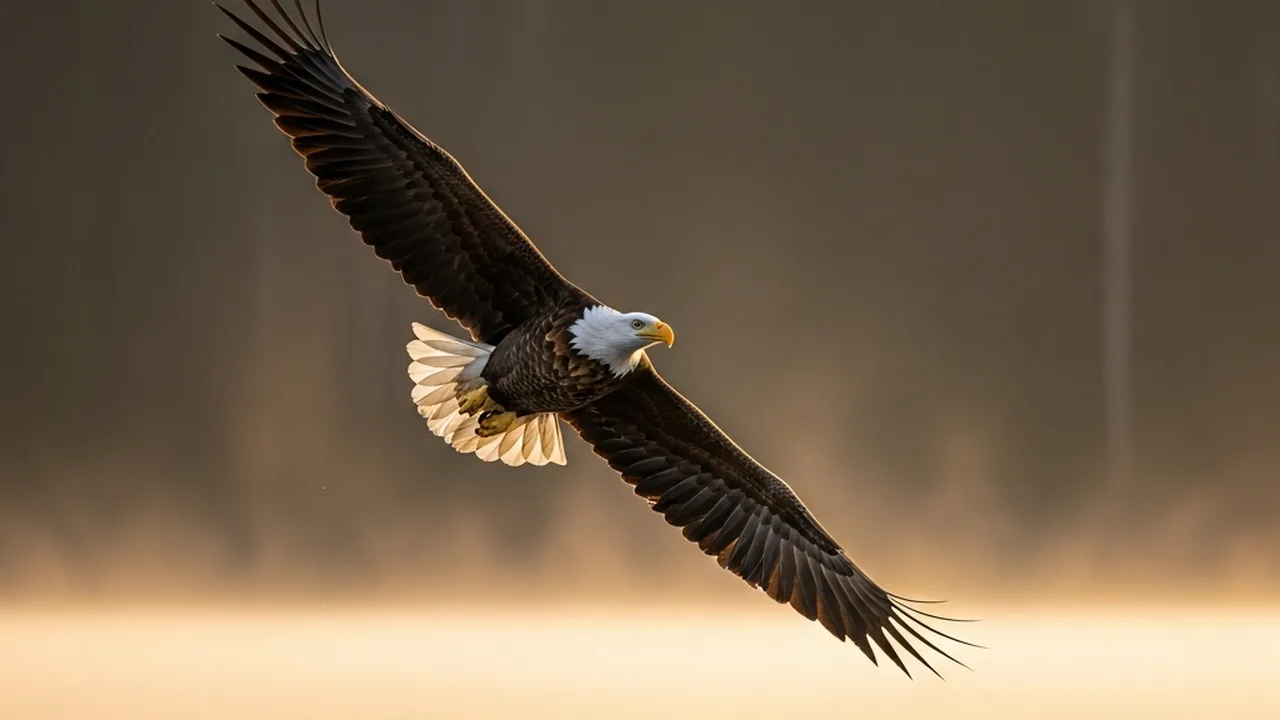
Best starting point: buy the lens and camera body as a system. A fast body with a short kit zoom will not fill the frame with a distant bird. For a first interchangeable-lens setup, the Canon EOS R10 is the lower-cost entry; the EOS R7 adds stabilization, two card slots and more room to crop. For a full-frame bird kit, compare the Nikon Z6III with the Z8 and budget for the NIKKOR Z 180–600mm. The seven choices below serve different jobs, so none is a universal winner.
Affiliate disclosure: As an Amazon Associate I earn from qualifying purchases. Each Amazon link below is a paid link to search results for the named model; check the exact seller, condition, lens included, price and availability before buying.
How this guide was researched (updated September 30, 2026): We compared current manufacturer specifications, firmware notes and native telephoto lens options. We did not conduct side-by-side field tests of these seven bodies. Published burst rates are maximums under stated conditions; your lens, focus mode, file format, shutter and card can change the result. The linked manufacturer pages let you check each claim.
Quick picks by the job you need to do
- Canon EOS R10 — a first wildlife body if lens cost is the priority.
- Canon EOS R7 — an APS-C body with more cropping room and better field features.
- Nikon Z6III — full-frame action without moving to a high-resolution pro body.
- Nikon Z8 — high-resolution full-frame stills with fast RAW bursts.
- OM System OM-1 Mark II — a portable long-lens kit with Pro Capture.
- Canon EOS R5 Mark II — high-resolution wildlife stills and demanding video in one body.
- Sony Alpha 1 II — a flagship Sony kit when 50 MP and 30 fps are both needed.
| Body | Sensor | Relevant burst mode | Main compromise |
|---|---|---|---|
| Canon EOS R10 | 24.2 MP APS-C | Up to 15 fps mechanical | No in-body stabilization |
| Canon EOS R7 | 32.5 MP APS-C | Up to 15 fps mechanical / 30 electronic | Slow long lenses push ISO in low light |
| Nikon Z6III | 24.5 MP full frame | Up to 20 fps RAW | Less crop room than Z8 |
| Nikon Z8 | 45.7 MP full frame | Up to 20 fps RAW | Larger files and body |
| OM-1 Mark II | 20.4 MP Micro Four Thirds | Up to 50 fps with C-AF and compatible lens | Less latitude for heavy crop and dim light |
| Canon EOS R5 Mark II | 45 MP full frame | Up to 30 fps electronic RAW | High cost of body and full kit |
| Sony Alpha 1 II | 50.1 MP full frame | Up to 30 fps under Sony’s conditions | Flagship cost |
What matters more than the headline frame rate?
Reach and aperture: Start with the animal’s usual distance and the light you expect. A 400mm f/8 lens can be practical for nearby subjects in daylight; a small bird at dawn may need more reach or a brighter lens. A narrower angle of view on APS-C or Micro Four Thirds does not change a lens’s physical focal length or magically collect more light.
Tracking and burst format: Check whether the body can identify birds, whether the quoted burst works with continuous autofocus, and whether it records RAW or only JPEG at that speed. Pre-capture can help with a bird taking off, but the supported file formats differ by camera.
Handling: Try the body with the actual telephoto lens before committing. An extra card slot, a usable viewfinder, controls that work with gloves and a balanced lens can matter more over a long day than five extra frames per second. Stabilization helps with hand movement; it cannot freeze wing motion.

Seven camera and lens combinations to consider
1. Canon EOS R10: first wildlife kit
The R10 has a 24.2 MP APS-C sensor, Canon’s animal-detection autofocus and up to 15 fps with its mechanical shutter. Canon quotes up to 23 fps electronically, subject to lens and shooting conditions. Its narrower field of view makes a 400mm lens frame like a 640mm lens on full frame. The lens remains 400mm, and the camera does not have in-body image stabilization.
Lens to price with it: Canon RF 100–400mm f/5.6–8 IS USM for a compact daylight kit. Its f/8 long end is a real constraint in dim woods, and availability varies by seller. Canon’s RF 75–300mm is another low-cost RF telephoto, but its shorter reach changes the choice for small birds. If you already own EF glass, check Canon’s EF–EOS R adapter and lens compatibility before buying more lenses.
Choose it when: you are starting out and can put more of the budget toward reach. Look elsewhere when: you need two card slots, in-body stabilization, or generous cropping from distant subjects. See our R10 lens guide for more compatible options. Canon R10 specifications · RF 100–400mm specifications.
Check EOS R10 body listings on Amazon (paid link)
Check RF 100–400mm lens listings on Amazon (paid link)
2. Canon EOS R7: APS-C cropping room and field controls
The R7 increases resolution to 32.5 MP and adds in-body stabilization and two SD card slots. Canon specifies up to 15 fps mechanical or 30 fps electronic and a RAW Burst mode with half a second of pre-shooting. A 500mm lens gives the angle of view of 800mm on full frame, which can help frame distant birds when you cannot move closer.
Lens to price with it: the RF 100–500mm f/4.5–7.1 L IS USM covers nearby mammals and distant birds. The RF 100–400mm is a lighter, less expensive daylight starting point. At high shutter speeds in poor light, a slow long end still forces a higher ISO. Electronic-shutter bursts may distort very fast motion or show banding under some artificial light, so compare it with the mechanical setting for your subjects.
Choose it when: you want more pixels on an APS-C subject and value two-card recording. Look elsewhere when: you mostly shoot in very low light or need a full-frame field of view from existing RF lenses. Canon R7 specifications · RF 100–500mm specifications.
Check EOS R7 body listings on Amazon (paid link)
Check RF 100–500mm lens listings on Amazon (paid link)
3. Nikon Z6III: full-frame action with smaller files
The Z6III pairs a 24.5 MP partially stacked full-frame sensor with bird-detection autofocus. Nikon lists up to 20 fps in RAW and faster JPEG modes. Its Pre-Release Capture works in the high-speed JPEG modes, so do not assume you will get a pre-capture RAW file. The smaller files can be easier to sort after long action sequences than 45–50 MP bursts.
Lens to price with it: NIKKOR Z 180–600mm f/5.6–6.3 VR. This gives a useful native-mount range for birds, although the long end and the body together are still a substantial kit to carry. The 24.5 MP resolution leaves less room for severe cropping than a Z8 if your subjects remain tiny in the frame.
Choose it when: you want full-frame action, bird recognition and native 600mm zoom reach without making every burst a high-resolution workflow. Nikon Z6III specifications · NIKKOR Z 180–600mm specifications.
Check Nikon Z6III body listings on Amazon (paid link)
Check NIKKOR Z 180–600mm lens listings on Amazon (paid link)
4. Nikon Z8: full-frame detail for birds at a distance
Nikon’s 45.7 MP stacked-sensor Z8 offers 20 fps full-resolution RAW shooting, 3D tracking and a dedicated bird-detection option added in firmware 2.0. The viewfinder continues showing the subject during bursts. Nikon’s faster 30, 60 and 120 fps figures use JPEG and, in some cases, a crop or lower resolution. That distinction matters if your editing depends on RAW files.
Lens to price with it: the native NIKKOR Z 180–600mm f/5.6–6.3 VR. It is a flexible long zoom for hides and open habitats. The Z8 makes more sense than a Z6III when you actually need extra pixels for cropping or large output; it also asks for more storage and a larger purchase budget.
Choose it when: you photograph small or distant wildlife and will use its resolution. Look elsewhere when: body size, file size or cost is the main constraint. Nikon Z8 specifications · bird-detection firmware note.
Check Nikon Z8 body listings on Amazon (paid link)
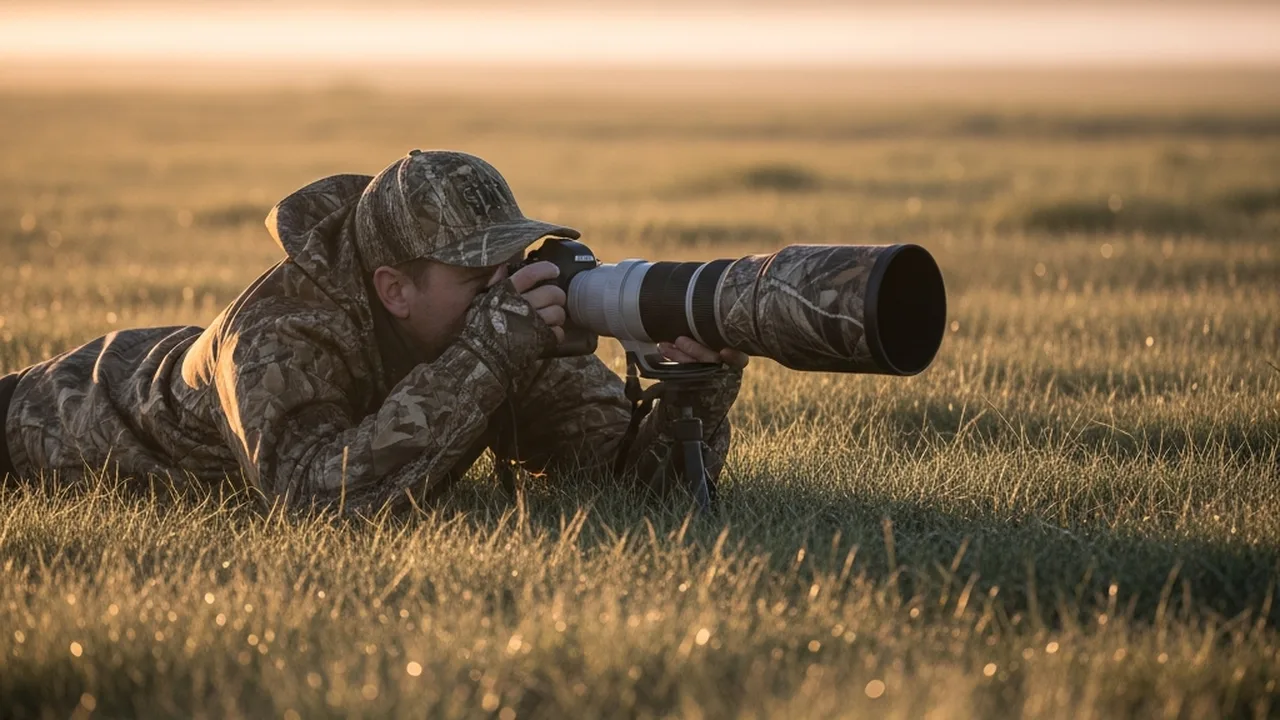
5. OM System OM-1 Mark II: portable reach and pre-capture
The OM-1 Mark II uses a 20.4 MP Micro Four Thirds sensor, has bird-recognition autofocus and offers Pro Capture for action that starts before the final shutter press. OM System quotes up to 50 fps with continuous AF using compatible lenses; its 120 fps mode is fixed-focus. The brand’s own conditions and buffer specifications should be checked if long bursts are essential.
Lens to price with it: M.Zuiko 100–400mm f/5–6.3 IS II, which frames like 200–800mm on full frame. This pairing is easier to carry than many large full-frame supertelephoto kits, but compare actual combined weights for the lenses you would buy. Its smaller sensor and 20.4 MP files give less freedom for heavy crops and dim-light shooting than some full-frame alternatives.
Choose it when: long-lens portability, outdoor use and pre-capture matter more than maximum full-frame low-light latitude. OM-1 Mark II specifications · 100–400mm IS II specifications.
Check OM-1 Mark II body listings on Amazon (paid link)
Check OM 100–400mm IS II lens listings on Amazon (paid link)
6. Canon EOS R5 Mark II: wildlife stills and video
The R5 Mark II has a 45 MP stacked full-frame sensor, up to 30 fps electronic RAW shooting and animal detection that includes birds. It also records high-resolution video, making it a sensible option when one body has to serve serious stills and film work. Those features do not make overheating or every recording limit disappear: check Canon’s mode-specific video limits and your card setup before a long shoot.
Lens to price with it: RF 100–500mm f/4.5–7.1 L IS USM for a flexible walkaround range, or RF 200–800mm f/6.3–9 IS USM when more reach matters and you can work with a slower, heavier lens. The latter starts at 200mm, so close safari subjects may require another lens or body.
Choose it when: you need detailed stills and high-end video in one Canon RF system. Look elsewhere when: you are paying for video features you will never use. Canon R5 Mark II specifications · RF 200–800mm specifications.
Check EOS R5 Mark II body listings on Amazon (paid link)
7. Sony Alpha 1 II: flagship speed and resolution
Sony’s Alpha 1 II combines a 50.1 MP stacked full-frame sensor with up to 30 fps continuous shooting under Sony’s stated conditions. Its animal, bird and insect recognition modes and up-to-one-second Pre-Capture can help with unpredictable wildlife. Lens and file-format restrictions still deserve a check before assuming the maximum rate in your own setup.
Lens to price with it: FE 200–600mm f/5.6–6.3 G OSS, a native E-mount zoom with the reach that many bird photographers need. This is the most expensive body class in this guide. If you do not need both high resolution and maximum burst speed, you may get more practical value from a less costly body and a stronger lens budget.
Choose it when: your work specifically needs Sony E-mount, fast high-resolution bursts and a flagship workflow. Sony Alpha 1 II specifications · FE 200–600mm specifications.
Check Alpha 1 II body listings on Amazon (paid link)
Check Sony FE 200–600mm lens listings on Amazon (paid link)
A practical buying sequence
- Pick the subject and distance. A garden feeder, woodland hide and vehicle safari require different lens ranges. For tiny birds, compare kits with 500–600mm at the long end before choosing a body.
- Build a complete basket. Add the body, compatible telephoto lens, memory card, spare battery and any support you need. Compare the total and the weight you will carry, not the body price alone.
- Check the critical mode. Confirm continuous AF, RAW/JPEG format, pre-capture and lens compatibility in the manufacturer’s manual. Read a current independent field review for behavior that specification sheets cannot prove.
- Try the controls. If possible, rent or handle your shortlist with a long lens. Balance and viewfinder comfort are personal.
Settings to start with in the field
For birds in flight, try continuous AF with bird detection, a shutter speed around 1/1600–1/3200 second and Auto ISO. Increase or decrease the shutter speed for the species, wing motion and light; review sharpness at full size. Use a shorter burst when behavior is predictable to keep the buffer and editing workload manageable. For a still mammal, start slower only if the animal is truly still and your support is steady. Our low-light guide explains why raising ISO can be preferable to a blurred subject.
Frequently asked questions
Does an APS-C camera turn a 400mm lens into a 640mm lens?
No. On Canon APS-C, the narrower sensor records a field of view similar to 640mm on full frame. The lens is still 400mm and its f-number is unchanged. Compare pixel density, subject distance and lens quality when judging real cropping potential. Our field-of-view calculator can help visualize the framing.
Is 30 fps automatically better than 15 fps?
No. The published maximum may use a different shutter, crop, focus behavior or file format. A reliably focused short burst can be more useful than a longer sequence of misses. Look up the mode you will actually use and read a current independent test.
Should I buy a body or a longer lens first?
If your current camera tracks the subject reasonably well but the animal stays tiny in the frame, examine the lens first. If tracking, viewfinder continuity or pre-capture is the main limitation, a body upgrade may be justified. Check your existing mount and adapter options before switching systems.
For a narrower birding comparison, see our bird-photography camera guide. This article is a research-based buying guide, not a claim that every listed camera was field-tested by Photography Discover.