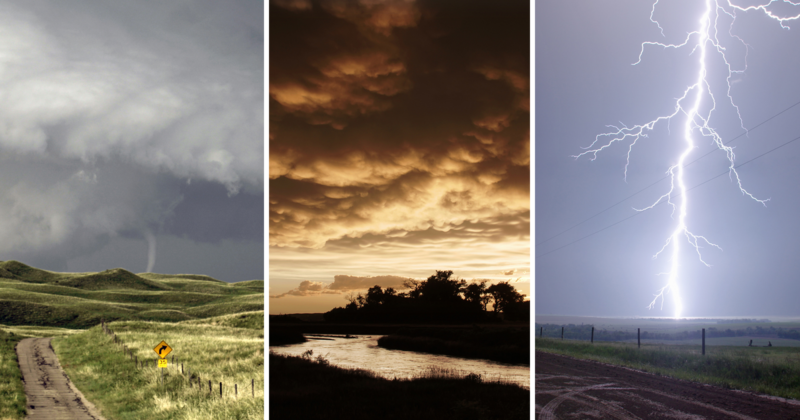
The first-person storm photography story that used to appear here was written by storm photographer Martin Lisius and published by PetaPixel. It was not Photography Discover’s experience. We have removed the reproduced article and its old affiliate links. Read Lisius’s original gear article at PetaPixel for his equipment choices and field experience.
Put safety ahead of equipment
Check the forecast, alerts and escape route before leaving for a storm shoot. The U.S. National Weather Service’s lightning guidance should guide decisions about approaching weather and shelter. A camera, tripod or waterproof cover does not make an exposed location safe in lightning. If conditions change, stop photographing and follow the weather service’s advice.
Choose equipment for the specific scene
For distant cloud structure, a wider view can give the storm context. For a more isolated detail, a longer focal length changes the framing while allowing you to stay farther from the subject; it does not replace a safe location. Check the weather resistance stated for your own camera and lens, and keep dry protection for the equipment when travel or rain is expected.
If you are learning to balance shutter speed, aperture and ISO in changing light, our exposure triangle guide explains the controls. This page offers general planning checks and links to the original field article; it does not claim storm-chasing experience or rank current gear.